


Livingstone
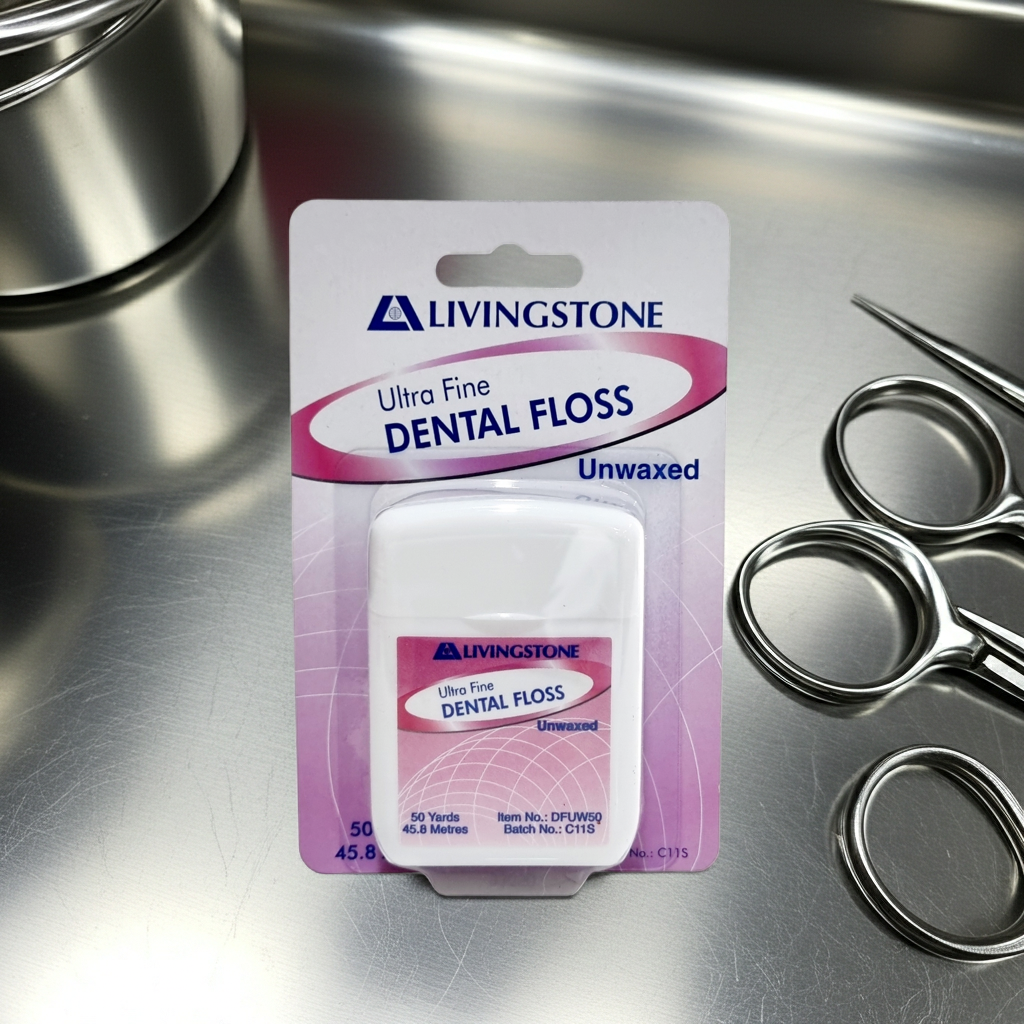
Unwaxed Ultra Fine Dental Floss
Unwaxed Ultra Fine Dental Floss
Couldn't load pickup availability

Product Description
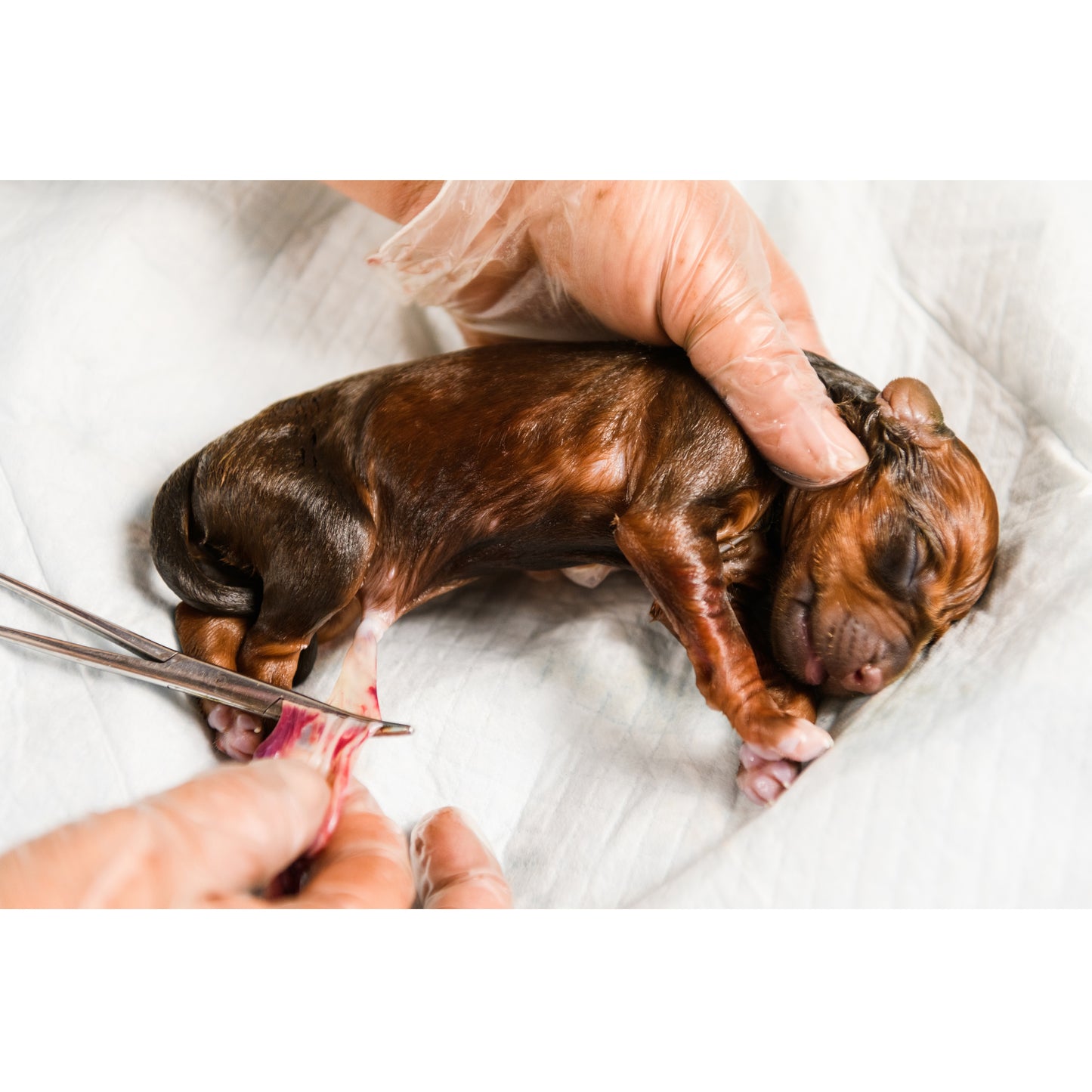
The Ultra Fine Unwaxed Dental Floss is a simple but essential item for every whelping kit. Strong, thin, and unscented, it is ideal for hygienically tying off a newborn puppy's umbilical cord before cutting. The ultra fine, unwaxed design allows a secure knot to be tied without slipping, helping minimise bleeding and support proper umbilical cord care.
With 50 yards (45.8 metres) per roll, there is plenty of floss available for multiple litters.
Key Features
- Ultra fine, unwaxed dental floss
- Unscented
- Strong, thin construction
- Ideal for tying newborn puppy umbilical cords
- Helps create secure knots without slipping
- Suitable for whelping kits
- 50 yards (45.8 metres) per roll
Benefits
- Essential for Whelping
Provides a reliable way to tie off the umbilical cord before cutting.
- Strong & Secure
Thin yet durable construction allows tight knots without easily breaking.
- Hygienic Cord Care
Designed to assist with safe umbilical cord management during the birthing process.
- Great Value
A single roll contains enough floss for multiple litters.
Size
50 Yards (45.8 metres)
Additional Information
How to Use
Prepare your supplies, including ultra fine unwaxed dental floss, sterilised scissors, and an antiseptic such as iodine.
Tie the floss securely around the umbilical cord approximately 2cm (1 inch) from the puppy's abdomen using a double or triple knot. Cut the cord approximately 1cm (½ inch) beyond the knot using sterilised scissors, then apply antiseptic to the cut end.
Monitor the umbilical stump over the following days for signs of swelling, redness, discharge, or infection, and seek veterinary advice if you have any concerns.
Store the dental floss in a clean, dry place and keep it sealed until required. For best hygiene, avoid allowing the floss to contact unclean surfaces before use. Always use sterilised scissors when cutting the umbilical cord and dispose of any used materials appropriately after whelping.
Frequently Asked Questions
See our FAQs below, If you can’t find the answer you’re looking for, feel free to contact us and we’ll get back to you shortly.